
Beaches · Northwest Phuket
Nai Yang Beach Phuket: Shallow Water, Shade and Beautiful Sunsets
Nai Yang is one of Phuket's most attractive places to spend an unhurried afternoon. A broad sweep of sand, shallow water, trees along the shore and a small offshore island create a particularly lovely setting. Come for the beach, the relaxed village atmosphere and the sunset rather than expecting a classic deep-water swimming beach.
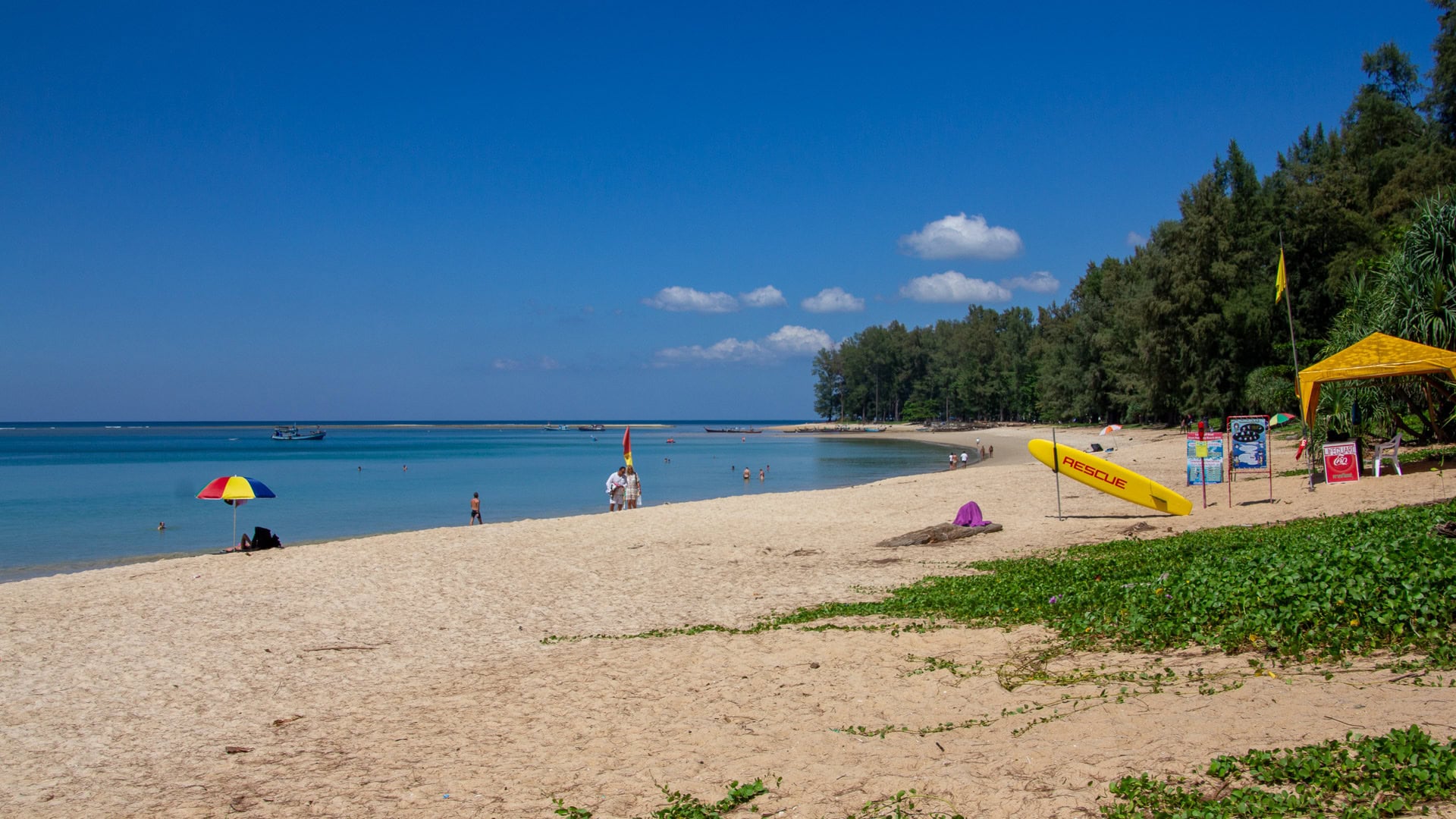
A beautiful stretch of sand and sea
Nai Yang Beach sits just south of Phuket International Airport, along the northwestern coastline. Unlike the busy resort beaches farther south, much of its appeal comes from the natural shoreline and the way the village sits behind the trees.
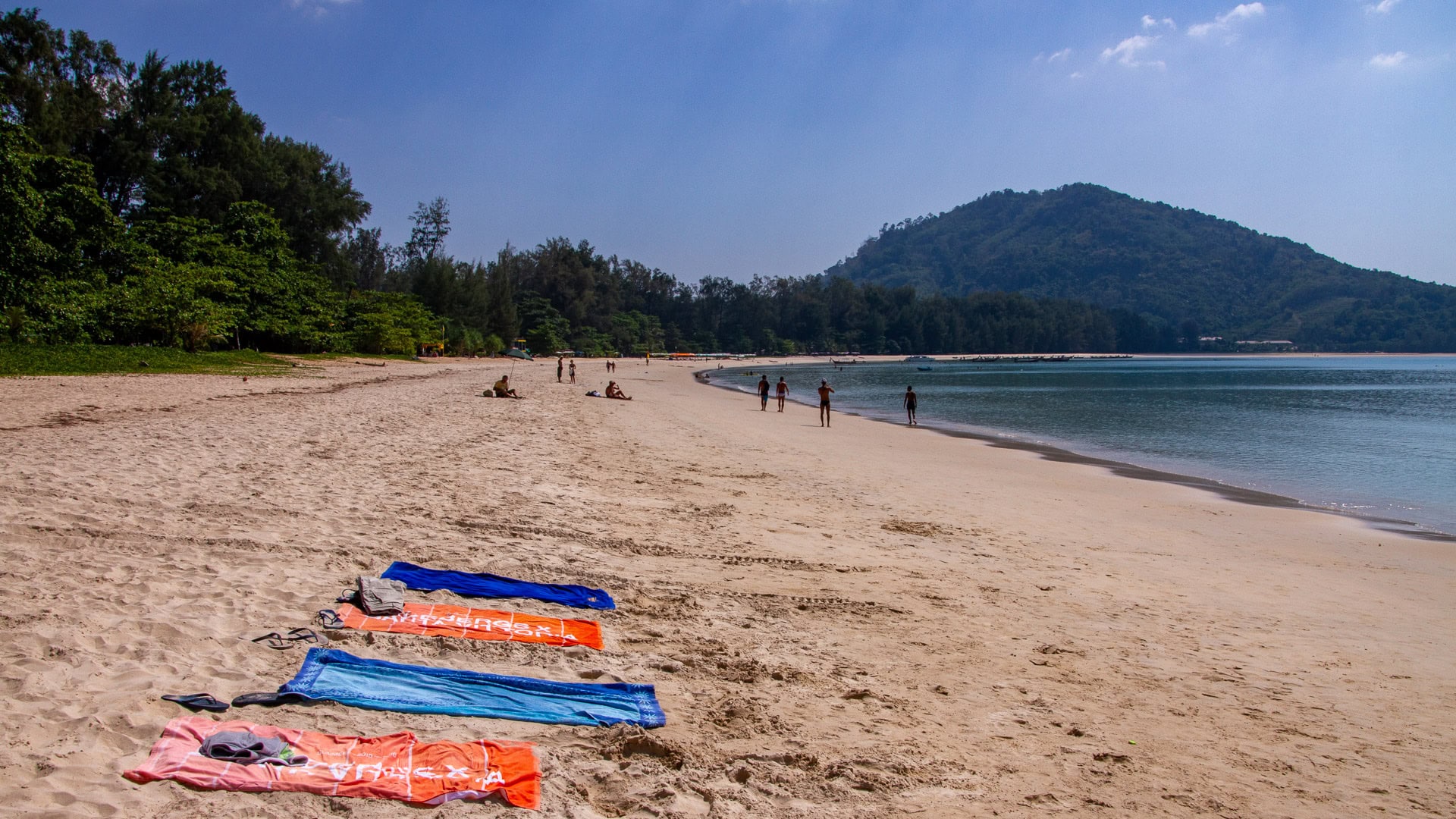
The beach curves around a broad bay, with pale sand meeting shallow water. Tall casuarina trees provide welcome shade along sections of the shore, while the open sea and the small island offshore give the landscape a spacious feeling.
It is the kind of beach where walking, sitting in the shade or simply watching the sea can be more rewarding than planning a full day of water activities.
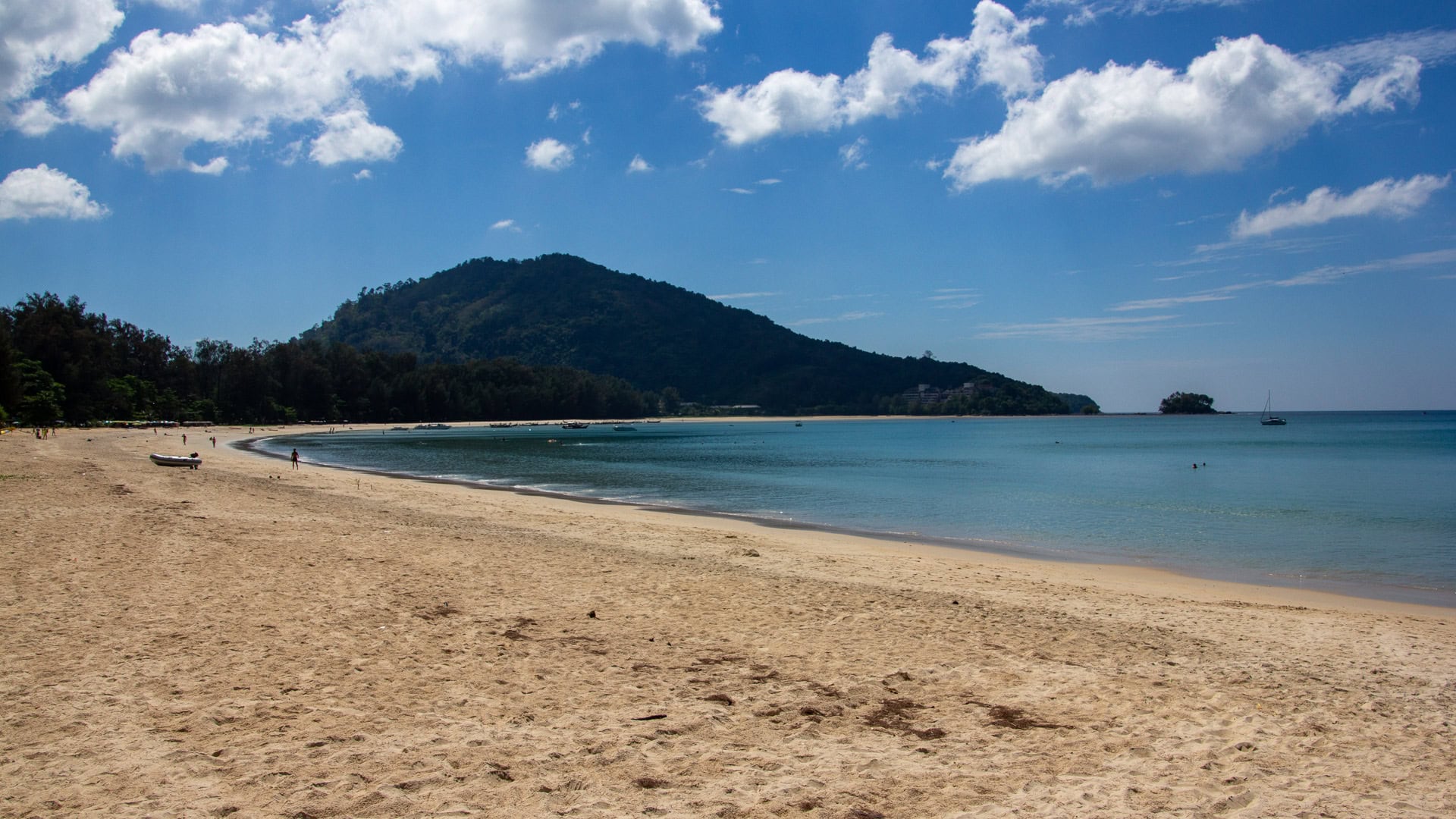
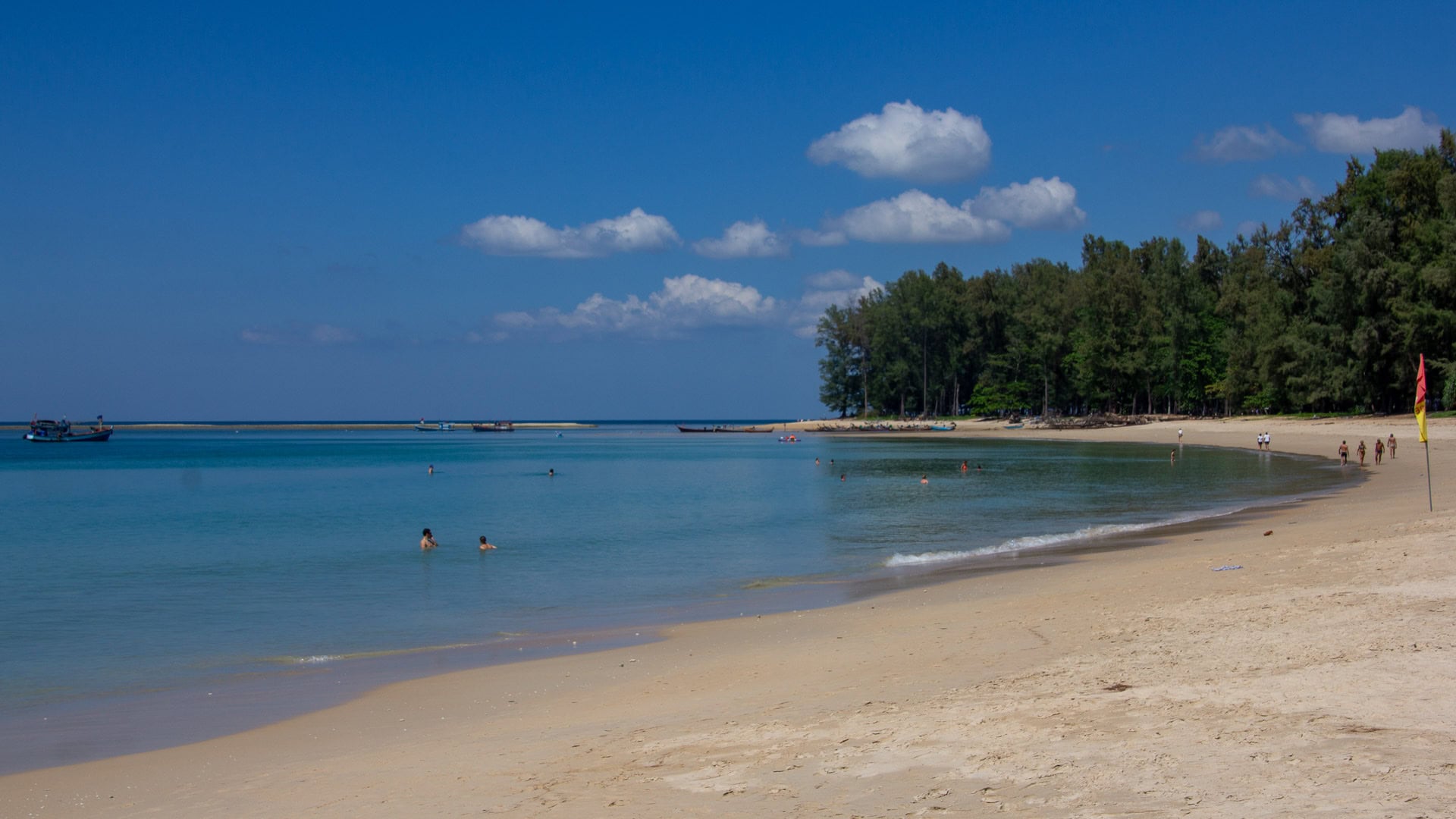
Beautiful water, but not a classic swimming beach
One of the most important things to understand about Nai Yang is just how shallow the bay can be. The water often extends gradually away from the shore, particularly at lower tides. This can be lovely for paddling or cooling your feet, but less convenient if you want enough depth for a proper swim.
Nai Yang often looks noticeably calmer than Phuket's more exposed west-coast beaches. Its shallow seabed and offshore reef areas help explain the character of the bay, although waves and currents can still develop, especially during unsettled weather.
Our advice: Enjoy Nai Yang for its scenery and shallow shoreline. If swimming is your main reason for visiting, check the actual water depth, tide and sea conditions before deciding whether it suits you. Calm-looking water should never be treated as a guarantee of safety.
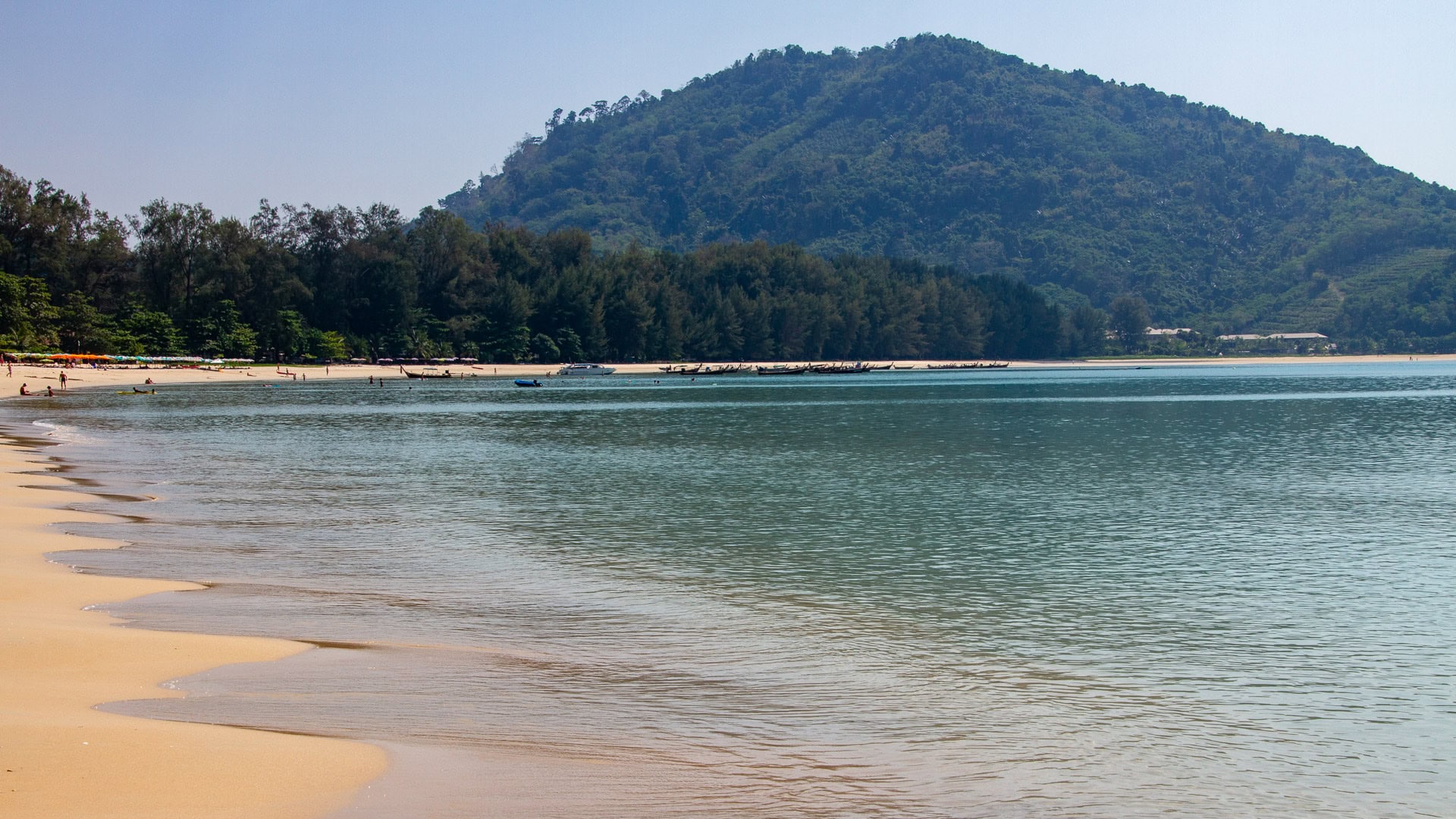

Restaurants, beach bars and shade beneath the trees
Much of Nai Yang's charm lies immediately behind the beach. Along the village-side sections, restaurants, casual beach bars and small businesses are tucked behind the line of trees rather than dominating the shoreline.
This makes it easy to combine time on the sand with a relaxed meal or a cold drink while enjoying the coastal atmosphere. There is no need to treat Nai Yang as a beach where every visit must revolve around swimming.
The casuarina trees are another advantage, especially during the hotter hours. Shade varies along the beach and changes with the position of the sun, so choose your spot accordingly.
Toilet and washing facilities may be available through nearby establishments or park-managed areas, but the locations, opening hours and public-access conditions should be checked locally rather than assumed.
Ko Pling and the magic of sunset
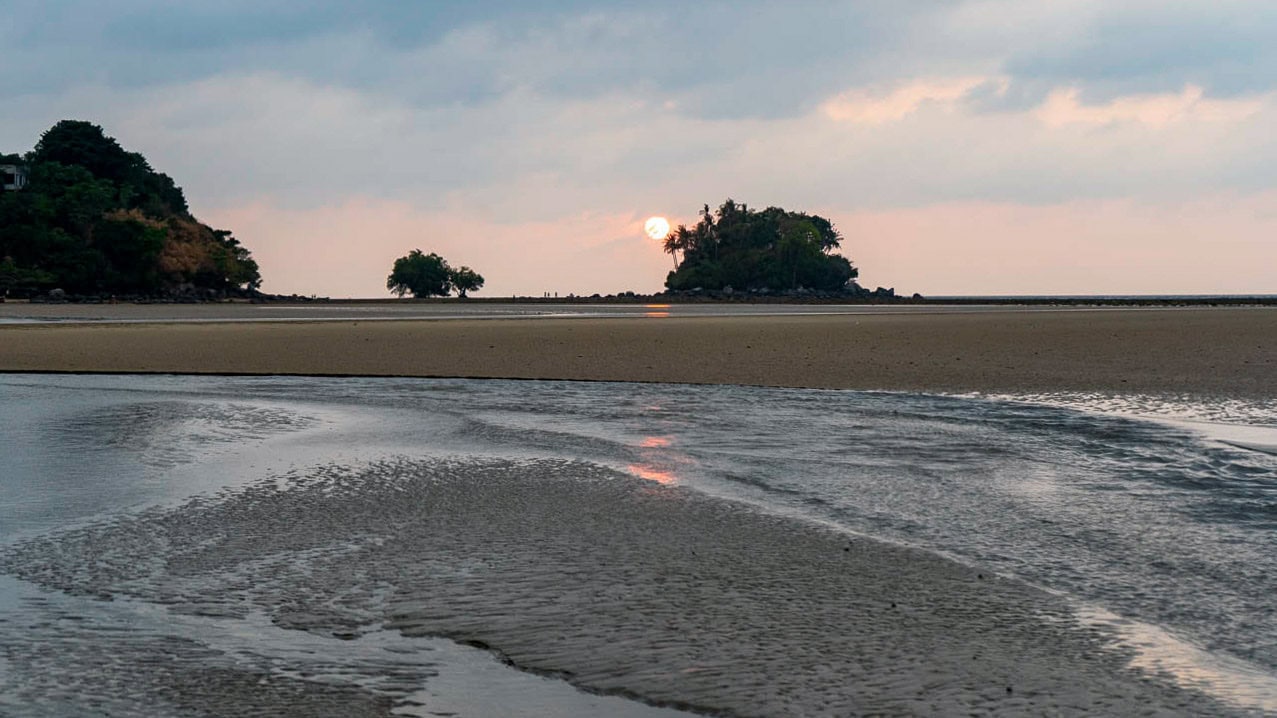
One of Nai Yang's most memorable features is Ko Pling, the small island lying offshore in the southern part of the bay. It gives this section of coastline a distinctive view and provides a natural point of interest across the water.
As the afternoon turns towards evening, the west-facing beach becomes an appealing place to watch the changing light. The combination of open water, the island and the silhouetted shoreline can produce beautiful sunset scenes.
Rather than rushing away after spending time on the sand, consider staying for the evening. Find a comfortable place along the beach or settle into one of the nearby restaurants and enjoy the last light over the bay.
The best view depends on where you are standing, the tide and the weather. Ko Pling is a landmark in the bay, not a guaranteed point directly beneath the setting sun.

Getting to Nai Yang Beach
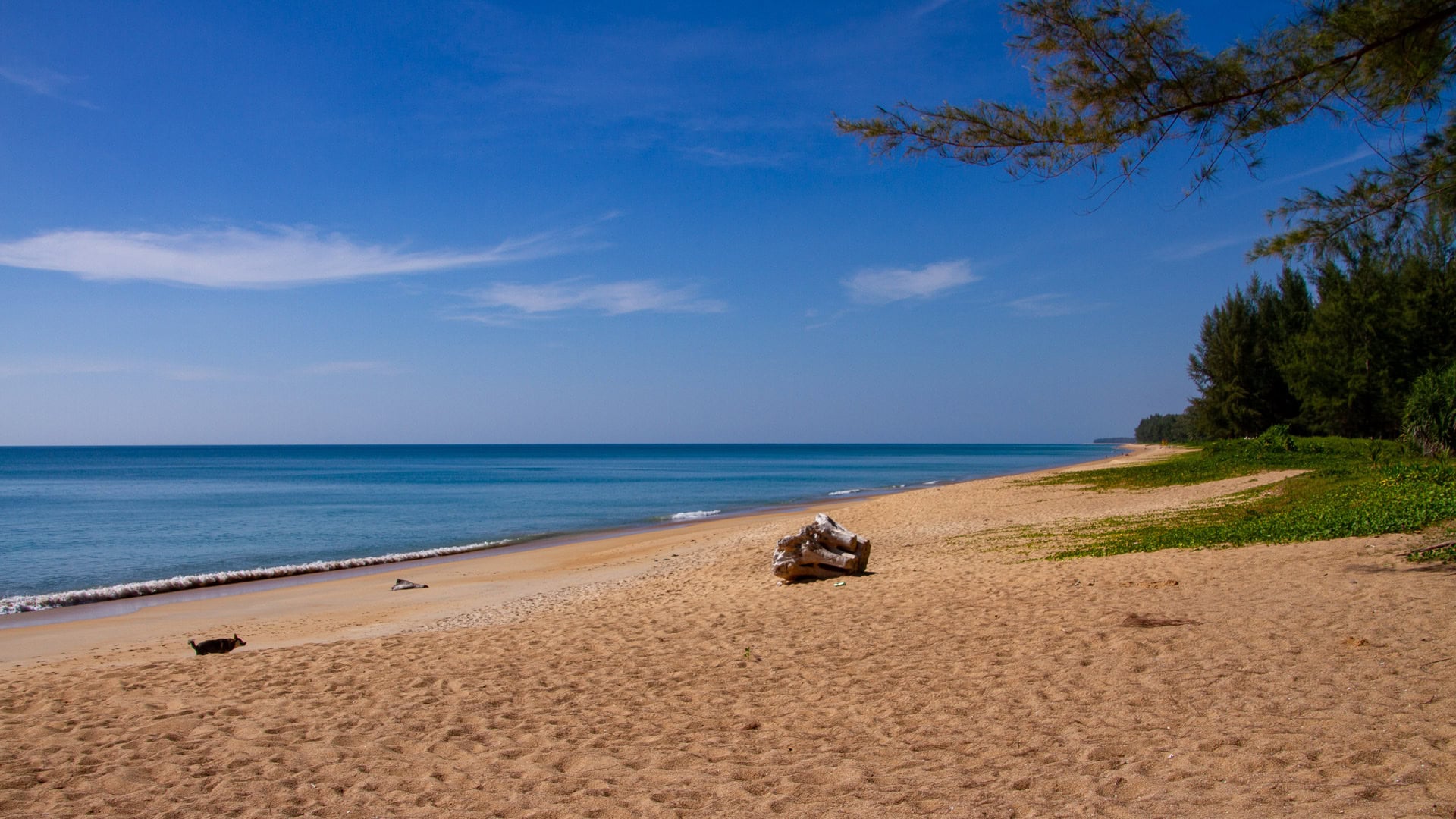
Nai Yang is in the Sakhu area, just south of Phuket International Airport. It can be reached by road from other parts of Phuket, with local approaches leading towards the village and beachfront.
Choose your access point carefully. The wider area includes both the local village shoreline and sections associated with Sirinat National Park. Visitor reports indicate that park-controlled entrances and village approaches can have different admission arrangements. A national park entrance charge should not automatically be treated as a fee for every route to the beach.
Parking is reported along parts of the beach road, but available spaces and restrictions can vary. If travelling by taxi, it is sensible to agree on a drop-off near the village-side beach rather than assuming that every marked point on the map is a road entrance.
The airport is close enough to give the area a distinctive character, and aircraft may be visible depending on flight paths. Visitors specifically interested in close-up aircraft photography should also read our guide to Mai Khao Beach.
Nai Yang Beach: Practical facts
The following is a practical overview of what to expect. Facilities, admission arrangements and swimming conditions can change, so verify important details when you arrive.
Nai Yang Beach map
The map is centred on the Naiyang Beach location on the eastern side of the bay, near the village shoreline. Ko Pling lies offshore to the southwest. The marked beach location is not necessarily an official entrance, car park or taxi drop-off.
Frequently asked questions
Is Nai Yang Beach good for swimming?
Nai Yang is often very shallow, making it less suitable for proper swimming than its attractive appearance might suggest. Water depth and sea conditions vary with the tide and weather.
Does Nai Yang Beach have big waves?
It often has relatively gentle-looking water, but larger waves and dangerous currents can occur, particularly during unsettled weather. Always assess conditions on the day.
Where can I watch the sunset at Nai Yang?
The west-facing shoreline offers sunset views across the bay. The small island of Ko Pling is a distinctive feature, especially when viewed from the southern part of the beach.
Are there restaurants and beach bars?
Yes. Restaurants and casual places to eat or drink are found behind the trees around the village-side beachfront. Individual opening hours can change.
Do I have to pay to enter Nai Yang Beach?
Visitor reports distinguish village approaches from park-controlled entrances. A charge may apply when entering a designated national park area, but this should not be assumed to apply to every beach access route.
Are there public toilets at Nai Yang?
Toilets or washing facilities may be available through local businesses or park facilities, but reliable current details about public access, exact locations and charges are not established.
Explore nearby beaches
Mai Khao Beach — A much longer and more exposed sandy coastline north of the airport, best known for its natural character and aircraft photography near the runway.
Naithon Beach — A scenic bay farther south with a different shoreline and sea conditions.
For general advice about changing sea conditions, warning flags and seasonal hazards, see our Phuket Beach Safety Guide.
